The first question is never “what should I eat”; it is whether you need care. After that, most symptoms have a practical, temporary answer.
First: is this an emergency?
Call 911 for a possible emergency: trouble breathing; swelling of the tongue or throat; collapse; a seizure; severe confusion; symptoms of stroke; or chest pain that could be a heart emergency. If a person is unconscious or cannot swallow safely, do not give food or drink by mouth.
Get urgent medical advice for severe or persistent abdominal pain, especially if it reaches the back or occurs with vomiting. Pancreatitis and gallbladder disease are among the serious warnings in the drug labels. Severe abdominal swelling, vomiting, and inability to pass stool or gas also need urgent assessment. Do not treat those symptoms by adding fiber or trying another recipe.
What to do next: Nausea · Vomiting · Low blood sugar
In the book: First, decide whether this is a food problem, page 29 — the full answer continues there.
I feel nauseated.
Serve a small amount. Eat slowly. Stop before a comfortable fullness turns into pressure. Greasy food, a very large meal, or a strong cooking smell may make the situation harder; your own triggers matter more than a universal forbidden-food list.
Try a few bites of a familiar, mild food. The chicken-and-rice soup, soft potato-and-carrot bowl, or poached fish and rice in the recipe chapter are options. Cool food may be easier than a steaming plate. Keep sipping fluid rather than gulping it.
If the first few bites sit well, continue gently. If they do not, pause. Do not force a large shake because it has a reassuring protein number. If nausea is stopping you from eating adequately, contact the prescriber; discuss it before the next dose increase.
What to do next: Meals for a quiet stomach · If you are also vomiting · Tell your clinician clearly
In the book: Nausea: reduce the size of the task, page 30 — the full answer continues there.
I have been vomiting.
When you vomit, the priority is not hitting the day’s protein target. Try small, frequent sips if you can tolerate them. Ask your clinician or pharmacist whether an oral rehydration solution is appropriate. Follow the product directions; do not improvise a concentrated salt mixture.
As symptoms settle, reintroduce small amounts of food you tolerate. Avoid trying to make up the whole day’s intake in one sitting. If vomiting continues, you cannot keep fluids down, you feel faint, or there is severe pain or blood, seek medical help. If you have diabetes, follow the sick-day instructions your team gave you, including glucose or ketone checks when indicated.
What to do next: Getting back to food · Tell your clinician clearly
In the book: Vomiting: fluids and assessment come first, page 30 — the full answer continues there.
I am constipated.
First, check what changed. Less food can mean less stool, but hard stool, straining, and discomfort still matter. A lower intake of fluid, less movement, and other medicines or supplements may contribute.
Build fiber gradually from food, drink according to your needs, and move as you are able. Give yourself an unhurried bathroom opportunity after a meal. Do not ignore the urge to go. A footstool can make the position more comfortable for some people.
If self-care is not enough, ask which laxative is appropriate for you and how to use it. Kidney disease, other medications, and your symptoms affect the choice. Do not combine several products simply because each is available without a prescription. Severe pain, vomiting, a swollen abdomen, blood, or inability to pass gas needs medical assessment.
What to do next: Fiber, without the ambush — in the book, page 26 · Drinking in a way you can repeat
In the book: Constipation: a patient plan, not a fiber ambush, page 31 — the full answer continues there.
I have diarrhea.
Drink in small amounts and replace fluids as advised. Choose simple foods you tolerate; the gentle meals in Chapter 7 can help you return to eating. Large fatty meals, alcohol, and some sugar alcohols may aggravate symptoms. Read the ingredients in “sugar-free” candy and bars if the timing fits.
Do not stay on a very limited diet longer than necessary. When you feel better, rebuild variety. Fever, blood, significant pain, dehydration, or persistent symptoms call for medical advice. Check with a pharmacist before taking an antidiarrheal, especially when infection may be involved.
What to do next: Simple meals while you recover · Tell your clinician clearly
In the book: Diarrhea: simplify temporarily, page 32.
Heartburn, reflux, or food that sits.
A large dinner followed by lying down can be an uncomfortable combination. Try a smaller dinner, eat without rushing, and stay upright afterward. If reflux happens at night, NIDDK advises allowing at least three hours between eating and lying down.
Notice whether coffee, alcohol, peppermint, spicy food, or high-fat meals affect you. You do not need to eliminate all of them at once to discover which one matters. Change one thing, keep a short note, and reassess.
Move the optional snack earlier instead of forcing food before bed. Persistent reflux, difficulty swallowing, or vomiting should be discussed with your clinician. A new or concerning chest pain is not automatically heartburn.
In the book: Reflux and burping: look at the whole evening, page 31.
Shaky, sweaty, or suddenly lightheaded.
Sweating, shakiness, sudden hunger, a racing heart, dizziness, or confusion may be signs of low blood sugar. The risk can be greater with insulin or a sulfonylurea. It is not correct to say these drugs can never cause a low without those medicines; the Zepbound label also reports hypoglycemia in people without type 2 diabetes.
If you can check your glucose, do so. For a reading below 70 mg/dL, and if you are awake and can swallow safely, CDC’s “15–15” approach is to take 15 grams of fast-acting carbohydrate, wait 15 minutes, and recheck. Repeat if it is still below 70. Follow an individualized plan if your diabetes team has given you one.
What to do next: Write your own plan down · If you have diabetes
In the book: Low blood sugar: treat the number and the person, page 33 — the full answer continues there.
I am tired and feel weaker.
“I am losing weight” does not explain every symptom. Low intake, dehydration, low blood pressure, low glucose, anemia, sleep problems, illness, and medication effects can overlap. Sit down if you feel faint, avoid driving or exercising while impaired, and ask for assessment when symptoms persist or are significant.
Bring useful information: what you ate and drank, any vomiting or diarrhea, the medicines you take, glucose or blood pressure readings if you already monitor them, and what activities have become harder. Do not order a collection of supplements to cover every possible explanation.
What to do next: Keep the strength you have · Tell your clinician clearly
In the book: Fatigue, dizziness, and declining strength, page 34.
My hair is shedding.
Hair shedding can happen after major weight change and has several possible causes. Ask for an assessment if it is substantial or persistent. The answer is not automatically biotin, and very high doses can interfere with some laboratory tests.
Body composition also changes during weight loss. A home body-fat scale is not a direct measurement of your muscle tissue. Follow strength and function alongside weight: can you complete your usual walk, carry groceries, and get up from a chair as comfortably as before? A decline deserves attention, not applause for a smaller number.
In the book: Hair shedding and body changes, page 34.
I need to tell my clinician what is happening.
“I use [medicine and dose]. My last dose was [date]. Since [time], I have had [symptom and frequency]. I can/cannot keep fluids down. I last urinated [when]. My glucose is [if measured]. I have/have not had severe pain, fever, or blood. What should I do about the next dose and these symptoms?”
You do not need to sound medical. You need to say what happened. Keep that message template in your phone; Chapter 14 has a page for the same information.
In the book: A message your clinician can act on, page 34.
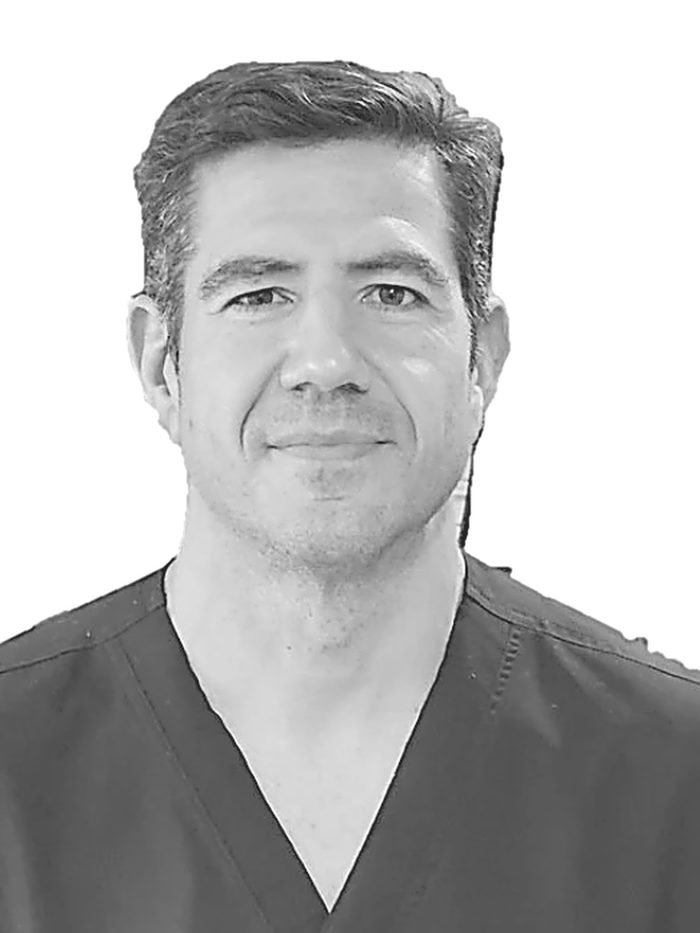
Physician based in Spain, anesthesiologist and pain-management specialist, founder of FitDoctor, and a GLP-1 patient himself in 2024. Author of The GLP-1 Meal Map. About the author · Sources: US prescribing information and US public-health and professional sources, checked September 2026 and listed in the book.
The whole map, on paper and Kindle
Twelve situations, eighty routes, 56 recipes, two weeks of menus and a 12-week strength program. On Amazon now: Kindle $9.99, paperback $16.99. More about the book.
Have you read the book?
A short review on Amazon is the one thing that makes the next patient find it. Two honest lines are enough — and they help more than any advertising.
Other situations
- I am starting this week
- I am barely eating
- I want to cook something tonight
- I want somebody to organize my week
- I have something else to fit in
- I want to keep my strength
- I am eating away from home
- The scale has stopped, or I am thinking about stopping
- Surgery, a procedure, or an appointment
- Somebody told me something and I do not know if it is true
- I want pages I can print and carry