The medication does not arrive alone. These are the adjustments the book makes for the situations people most often bring to the table.
Type 2 diabetes or prediabetes.
You do not need a separate “diabetic” pantry. You need a plan that coordinates food, activity, monitoring, and medications. Keep carbohydrate foods visible in the plan rather than forgetting that milk, fruit, beans, and oats contribute carbohydrate as well as other nutrients.
Read the total carbohydrate estimate in a recipe and the serving size on a package. In this US edition, “carbohydrate” means total carbohydrate, not “net carbs.” If you count carbohydrate for medication dosing, use the method and current product information agreed with your team; these recipe estimates are not precise enough to direct an insulin dose.
In the book: Type 2 diabetes or prediabetes, page 36 — the full answer continues there.
Menopause or perimenopause.
If sleep has become unreliable and your body feels different, another harsh diet may be the last thing you need. Make the plan support regular meals, adequate nutrition, and a strength routine you can sustain. Tell your clinician about menopausal symptoms that disrupt sleep, mood, or daily life; food cannot be expected to solve all of them.
In the book: Menopause and perimenopause, page 37 — the full answer continues there.
High blood pressure.
Read sodium labels on foods you use repeatedly: deli turkey, canned fish, broth, cheese, frozen meals, and sauces. Two similar products can differ substantially. Use a reduced-sodium broth, compare deli meats, rinse suitable canned beans, and add flavor with herbs, garlic, vinegar, or citrus when you tolerate them.
The daily value for sodium on US Nutrition Facts labels is 2,300 milligrams; an individual treatment goal may be lower. The point is to understand your label and your clinician’s target, not to assume that every person needs an identical restriction.
In the book: High blood pressure, page 37 — the full answer continues there.
An underactive thyroid.
Food routines and medication routines need to fit together. If you take levothyroxine, follow your product’s instructions about fasting and separation from supplements. Calcium and iron can interfere with absorption; ask the pharmacist to write out a schedule, particularly if you also take an oral GLP-1 medicine with fasting requirements.
You do not need an internet “thyroid detox.” Do not start iodine, kelp, or high-dose selenium because a supplement claims to restart your metabolism. Let your clinician decide when thyroid blood tests or a medication review are needed.
In the book: Hypothyroidism, page 38 — the full answer continues there.
I am 65 or older.
Ask what success should look like beyond a smaller body. Getting out of a chair, carrying a bag, recovering from illness, and remaining independent may matter more than reaching a particular clothing size.
Choose a food plan you can eat consistently, with attention to protein and overall nutrition. Persistent low appetite or unintentional rapid loss should not be dismissed as an advantage. Tell your clinician if you are eating less, getting weaker, or finding shopping and cooking harder.
Start exercise with support available. The seated march, sit-to-stand, wall push-up, and supported balance exercises are there for a reason. Increase gradually. The general activity guidance for older adults includes aerobic movement, muscle strengthening, and balance work, adjusted to ability and health.
In the book: Age 65 and older, page 39 — the full answer continues there.
Kidney disease or a fluid restriction.
Do not apply a high-protein target from a general book to kidney disease without your renal team. Protein, sodium, potassium, phosphorus, and fluids may need individual adjustment, and dialysis can change the needs again.
Show the dietitian your usual recipes and your actual protein powder, if you use one. A powder may contain potassium, phosphorus additives, or other ingredients you did not notice. “Plant-based” is not a guarantee that a product fits your kidney plan.
Use the recipes as adaptable ideas, not ready-made renal menus. Vomiting, diarrhea, or poor intake can be particularly important when kidney function is already impaired; ask for specific instructions about whom to call and which medicines need review during illness.
In the book: Kidney disease or a prescribed fluid restriction, page 39.
Fatty liver or high cholesterol.
A useful everyday direction is to make room for vegetables, beans, oats, fish, and unsaturated fats, while reducing reliance on processed meat and foods high in saturated fat. There is no liver-cleansing tea required. If you have a liver diagnosis, ask your clinician what monitoring and alcohol advice apply to you.
Several recipes use deli meat because convenience has a real place in people’s lives. Do not let those options become your only protein source. Rotate in eggs, beans, yogurt, fish, and home-cooked poultry. Use the substitution notes to make a week suit your broader nutrition goals.
In the book: Fatty liver and cholesterol, page 40.
PCOS, fertility, or contraception.
Bring pregnancy plans and contraception into the medication conversation early. A change in cycles or weight does not tell you whether contraception is reliable. If you use an oral hormonal contraceptive while taking tirzepatide—Zepbound or Mounjaro—the US labels advise switching to a non-oral contraceptive method or adding a barrier method for four weeks after starting and four weeks after each dose increase. Nonoral hormonal contraceptives are not expected to be affected in the same way.
That specific instruction is not a universal rule for every GLP-1 product. For semaglutide and for vomiting or diarrhea that may affect a contraceptive pill, consult the relevant medication and contraceptive instructions. Do not improvise a new rule for all brands.
In the book: PCOS, fertility, and contraception, page 40 — the full answer continues there.
Gallbladder problems or IBS.
Your symptom history belongs in the treatment plan. A large portion of beans may fit one reader’s day and trigger another reader’s symptoms. A raw salad may be comfortable at one stage and difficult during dose escalation. Smaller portions, cooked vegetables, and less fatty meals can be practical adjustments, but persistent or severe symptoms need review.
Do not start a long-term restrictive diet by removing every food that once caused discomfort. A dietitian can help identify patterns without shrinking your menu to a few foods. Severe stomach-emptying disorders need medical assessment; the products discussed here are not recommended in severe gastroparesis.
In the book: Reflux, gallbladder problems, or irritable bowel syndrome, page 41 — the full answer continues there.
I eat vegetarian or vegan.
Build a protein plan from foods you actually like: tofu, tempeh, beans, lentils, edamame, soy milk, and, if you eat them, eggs and dairy. When appetite is very low, a huge bowl of beans may be harder to finish than a smaller portion of tofu. Different foods solve different problems.
A plant milk is not automatically a nutritional match for dairy milk or soy milk. Check protein and fortification. Vegan eating needs a dependable vitamin B12 source; ask about your plan rather than relying on fermented foods or seaweed.
In the book: Vegetarian and vegan eating, page 42 — the full answer continues there.
I do not cook.
Buy cooked chicken, frozen vegetables, microwave rice, plain yogurt, eggs, canned beans, and fruit. Put three components together. That counts as making a meal.
Try cooked chicken with a steam-in-bag vegetable and microwave rice. Try rinsed beans, tuna, chopped tomato, and olive oil. Try cottage cheese, whole-grain toast, and fruit. Choose safe storage and reasonable portions. If you have a sodium target, compare the convenience products before they become daily staples.
You can learn one cooked dish later. Start with the simplest hot meal in the book that sounds good, make it twice, and only then add another. Independence comes from having a few reliable options, not from collecting kitchen equipment.
In the book: “I do not cook” is a solvable problem, page 42.
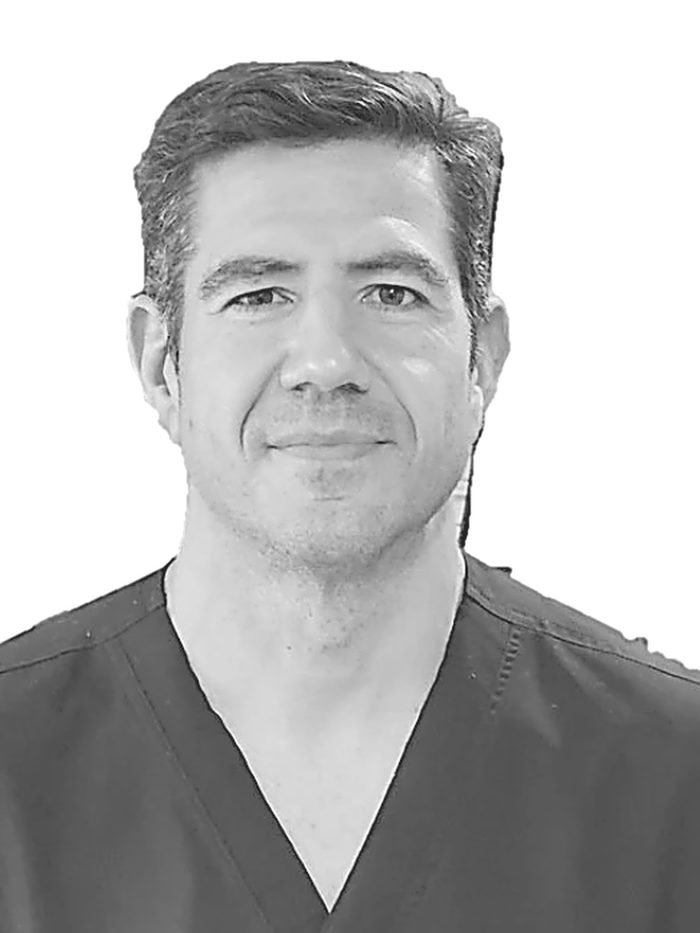
Physician based in Spain, anesthesiologist and pain-management specialist, founder of FitDoctor, and a GLP-1 patient himself in 2024. Author of The GLP-1 Meal Map. About the author · Sources: US prescribing information and US public-health and professional sources, checked September 2026 and listed in the book.
The whole map, on paper and Kindle
Twelve situations, eighty routes, 56 recipes, two weeks of menus and a 12-week strength program. On Amazon now: Kindle $9.99, paperback $16.99. More about the book.
Have you read the book?
A short review on Amazon is the one thing that makes the next patient find it. Two honest lines are enough — and they help more than any advertising.
Other situations
- I am starting this week
- I am barely eating
- I want to cook something tonight
- I want somebody to organize my week
- My stomach has become the problem
- I want to keep my strength
- I am eating away from home
- The scale has stopped, or I am thinking about stopping
- Surgery, a procedure, or an appointment
- Somebody told me something and I do not know if it is true
- I want pages I can print and carry