Real life is where plans meet menus you did not write. One decision at a time is the whole method.
Airport or hotel.
Before departure, identify one likely food option at the airport and one near the hotel. Breakfast often becomes easier with yogurt, eggs, oatmeal, fruit, and toast rather than an all-or-nothing decision between a huge buffet and no food.
Pack a backup you tolerate. For a long flight, request a suitable meal when possible and carry permitted food that survives the trip safely. Drink regularly. Walk or move as appropriate during long periods of sitting.
Medication transport is a separate task. Check the exact storage instructions and time limits with the pharmacist. Keep the labeled medicine and necessary supplies accessible, protected from heat and freezing. Do not assume that an airplane hold, a cooler bag, or a hotel mini-fridge will maintain the right temperature.
In the book: Airports and hotels, page 141.
A long drive.
Put the cooler where you can reach it. Plan stops rather than waiting until you are exhausted. A grocery store can be an easier lunch stop than a restaurant: choose a safely stored protein food, fruit or vegetables, and bread, crackers, or another carbohydrate food.
If fast food is the available choice, use the same principles as any other meal. Choose a manageable portion, eat slowly, and pay attention to comfort. One meal does not need a punishment meal afterward.
In the book: A road trip without a food crisis, page 141.
Thanksgiving, a birthday, or a cookout.
Decide what you genuinely want to eat. Serve some of it. Start with a comfortable amount and allow yourself to stop. You do not have to take everything offered to show affection, and you do not need to perform dietary virtue in front of relatives.
Try a simple sentence: “That looks good. I am starting with a small portion.” If someone presses, “I am comfortable with what I have, thank you” is enough. You can discuss your treatment if you want to; you do not owe the table an explanation.
At a cookout, pay attention to time and temperature as well as food choice. Refrigerate perishables promptly, and do not rely on appearance or smell to judge safety. Chapter 10 gives the practical limits.
In the book: Thanksgiving, birthdays, and family cookouts, page 142.
The office, the commute, or a night shift.
Pack the part of the day that repeatedly goes wrong. If the problem is a late lunch, bring something you can eat during an earlier break. If the problem is arriving home too tired to cook, move dinner into the freezer before the week starts.
A small cooler with an ice pack can make yogurt, a chicken wrap, or a bean salad possible, provided you keep food safely cold. A sealed shelf-stable option is useful when refrigeration is uncertain. Do not leave a turkey sandwich in a warm car and call it meal prep.
In the book: The office, the commute, and the night shift, page 140 — the full answer continues there.
Should I drink alcohol?
Ask your clinician what is appropriate with your health and medicines. Alcohol can complicate hydration, judgment, blood sugar management, and digestive symptoms. There is no requirement to drink socially, and it is reasonable to avoid it when you are unwell or still learning how treatment affects you.
If you choose to drink within your care team’s advice, do not use it to replace food and do not assume you will respond as you did before. If you take medicine that can cause low blood sugar, include alcohol in the discussion about preventing and recognizing lows.
In the book: Alcohol, page 142.
Nobody else at home is doing this.
Cook one basic meal with adjustable portions whenever that works. A sheet pan of chicken, potatoes, and vegetables can feed a family; each person takes an amount that suits them. A family member may want more rice or bread. You may need a smaller serving now and another later.
Avoid turning your treatment into rules for everyone else’s body. Children should not be put on an adult weight-loss menu because it is convenient. Household changes can support you without making food anxious for the whole family.
In the book: The household plan, page 143.
Today went badly.
Perhaps you missed lunch, ate more than felt good at dinner, and ended the evening annoyed with yourself. Review the sequence without turning it into a character assessment. What made lunch disappear? What food would have been available? What is one thing you can put in place tomorrow?
Return to an ordinary meal. Drink according to your needs. Move if you feel well. Do not compensate with fasting, extra medication, or an exhausting workout. The skill you are practicing is returning to a useful pattern.
In the book: When a day goes badly, page 143.
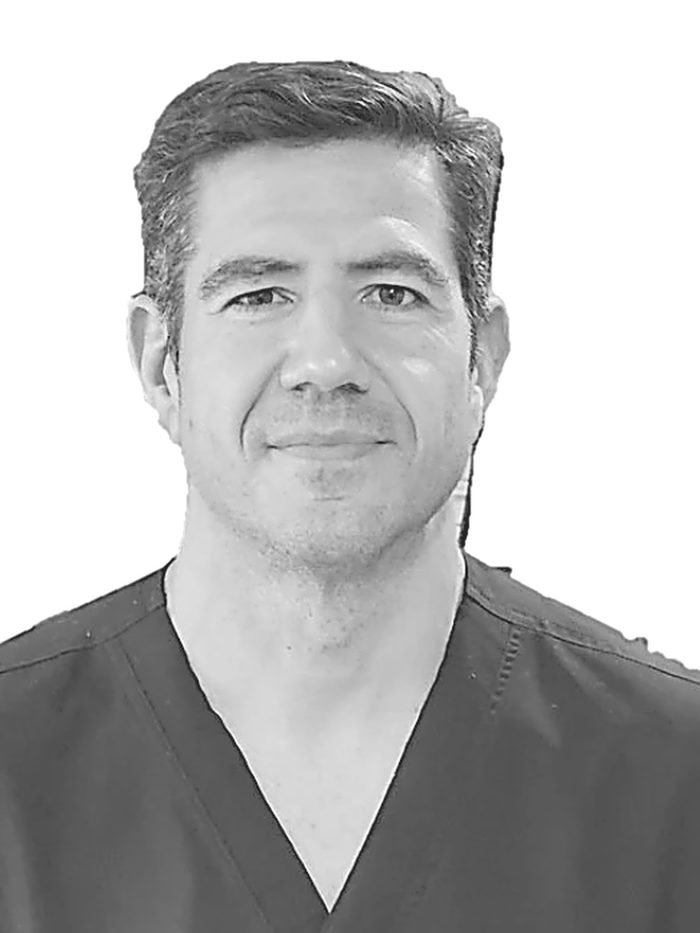
Physician based in Spain, anesthesiologist and pain-management specialist, founder of FitDoctor, and a GLP-1 patient himself in 2024. Author of The GLP-1 Meal Map. About the author · Sources: US prescribing information and US public-health and professional sources, checked September 2026 and listed in the book.
The whole map, on paper and Kindle
Twelve situations, eighty routes, 56 recipes, two weeks of menus and a 12-week strength program. On Amazon now: Kindle $9.99, paperback $16.99. More about the book.
Have you read the book?
A short review on Amazon is the one thing that makes the next patient find it. Two honest lines are enough — and they help more than any advertising.
Other situations
- I am starting this week
- I am barely eating
- I want to cook something tonight
- I want somebody to organize my week
- My stomach has become the problem
- I have something else to fit in
- I want to keep my strength
- The scale has stopped, or I am thinking about stopping
- Surgery, a procedure, or an appointment
- Somebody told me something and I do not know if it is true
- I want pages I can print and carry